
Massive Adds x402 Payments Access for AI Agents with Coinbase
Massive US stock data is now available to AI agents via x402. Pay per request in USDC on agent.massive.com, with no account or API key. Built with Coinbase.

editor
Introducing
Mar 20, 2026
QUOTE: “Massive’s API gave us confidence to architect cleanly from the beginning. The data was normalized, structured, and consistent across endpoints. We didn’t have to design fallback logic or multi-provider reconciliation systems…”
When Alinea came out of Y Combinator, the team was focused on one thing: delivering a modern, personalized investing experience for a new generation of users. The product needed to feel intelligent and credible from the first interaction. That meant real portfolios, real performance history, and reliable financial metrics from day one.
 |  |
What the team did not want to build was a market data infrastructure operation.
For early-stage fintech companies, that risk is easy to underestimate. Assembling multiple market data feeds, normalizing reference data, adjusting for corporate actions, maintaining historical pricing databases, and monitoring outages quickly becomes a permanent engineering responsibility. It is not a one-time integration. It is ongoing operational overhead.
Alinea chose to avoid that path entirely by building on Massive from the beginning.
Had Alinea stitched together legacy providers, they would have needed to reconcile discrepancies across feeds or apply split adjustments to historical prices. Over time, those responsibilities would require dedicated data engineers and constant maintenance.
For a small founding team, that tradeoff was clear. Engineering time needed to go toward building a differentiated consumer product, not maintaining pipelines.
By starting with normalized historical and real-time market data from Massive, Alinea removed an entire layer of risk and complexity from its roadmap. The team did not need to design around inconsistencies or build defensive logic to compensate for fragmented data sources. They could focus on the application layer from the start.
At launch, Alinea had no clear forecast for how quickly the platform would grow. The architecture needed to work whether the company served hundreds of users or hundreds of thousands.
Instead of overengineering, they built lean services that could scale horizontally as demand increased. Because the data layer was stable, scaling the product did not require revisiting foundational decisions.
Massive’s API design allowed the team to keep their services growing due to no rate limits or usage quotas, just a flat recurring charge for access to all data they needed.
That simplicity early on reduced friction later.
Alinea’s core experience centers on personalization. After onboarding, users are presented with portfolios aligned to their goals, along with performance history, asset-level insights, and risk breakdowns.
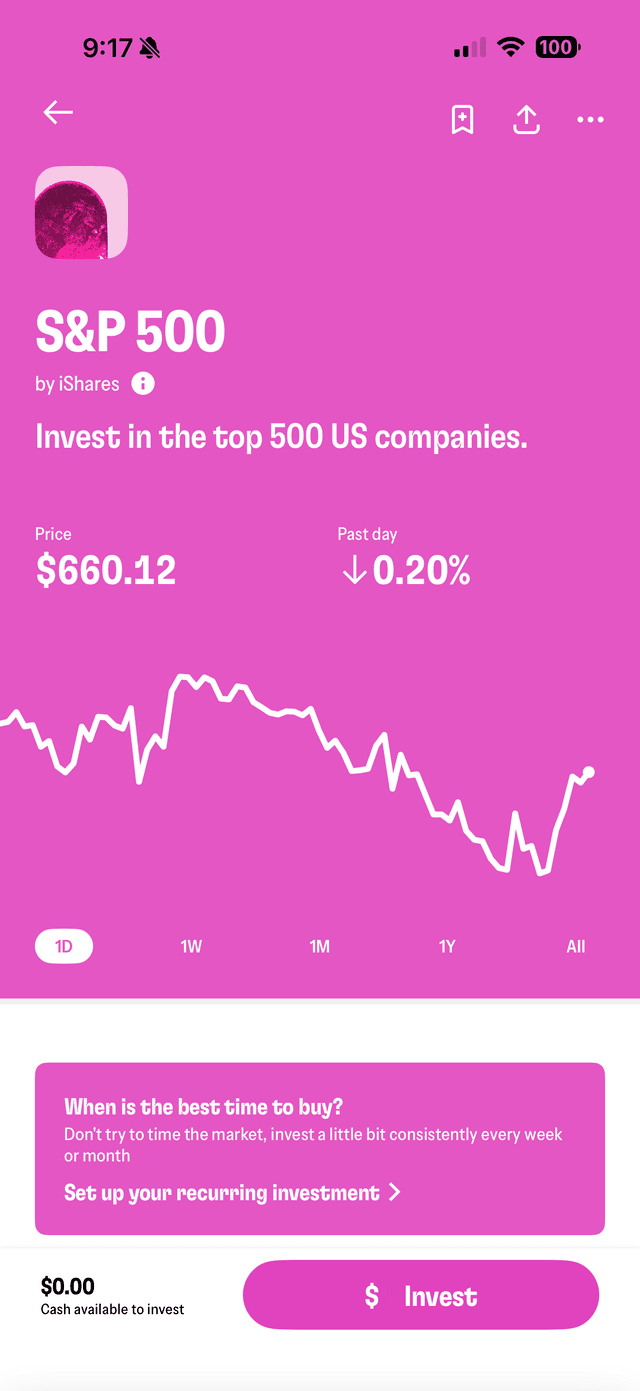 | 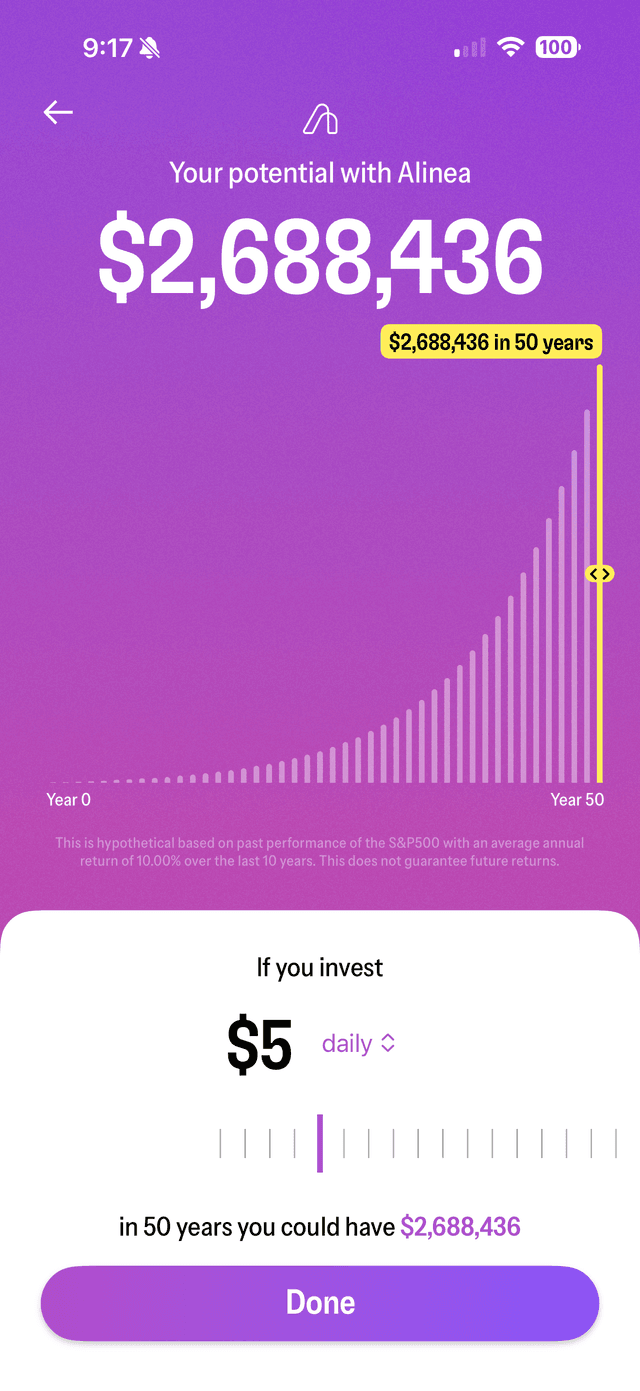 | 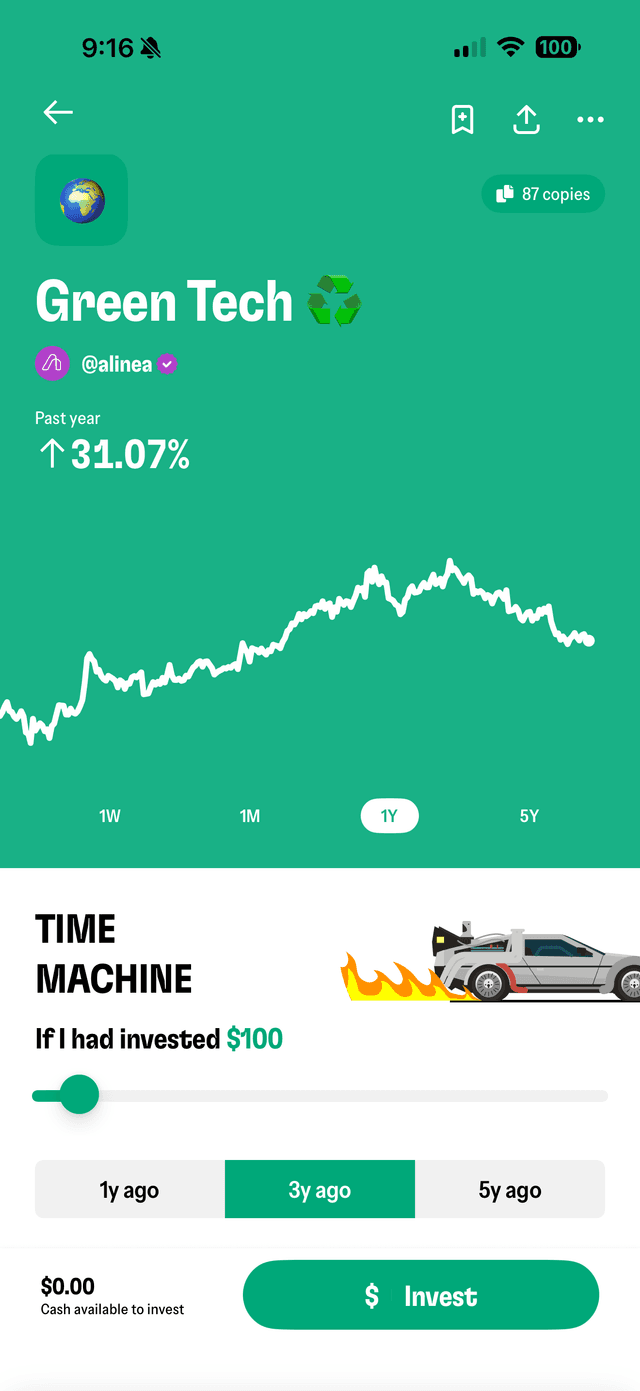 |
Those features rely on real-time and historical data and consistent company reference and fundamental data. If performance calculations shift because of incorrect corporate action handling, or if symbols change without proper normalization, users notice immediately. In investing, credibility is fragile.
Because the underlying data was reliable, Alinea was able to launch features like thematic investment bundles, portfolio performance breakdowns, and risk visualizations without months of building disparate data pipelines. The product felt fully realized early in the company’s lifecycle, which mattered during YC and in conversations with investors.
The infrastructure allowed the team to deliver substance, not just interface.
As Alinea grew, request volume climbed into the tens of millions per month. Today, the platform processes more than 126 million requests in a 30-day period.
Growth at that scale often forces startups into emergency architectural changes or provider migrations, or often exponential price increases. In Alinea’s case, the data layer did not require redesign. There were no urgent rewrites triggered by throughput limits or data bottlenecks, and no budgets needed change.
The infrastructure scaled with the product.
By building on Massive, Alinea’s engineering time goes toward improving the UX, refining personalization, enhancing performance insights, and expanding educational tools instead of managing market data.
For a growth-stage fintech company, that leverages compounds over time.
Over four years of partnership, Massive has become embedded in Alinea’s infrastructure. Historical adjusted pricing, real-time market data, corporate action handling, normalized reference data, and consistent asset metadata power nearly every user-visible financial metric within the platform.
As Alinea evaluates new asset classes and potential international expansion, data integrity is not the primary uncertainty. The team is building on a foundation that has already supported significant scale without requiring replacement.
Alinea did not outgrow its infrastructure as it grew. It built on infrastructure designed to grow with it.

Alex Novotny
alexnovotny
See what's happening at Massive
Massive US stock data is now available to AI agents via x402. Pay per request in USDC on agent.massive.com, with no account or API key. Built with Coinbase.
editor

Starting August 17, 2026, Cboe's Options Exchange is extending trading hours for select single-stock equity options with a morning GTH session (7:30–9:25 am ET) and Curb session (4:00–4:15 pm ET).

cole
A SEC 8-K API that labels what actually happened. Query filings by event type (CEO departures, cybersecurity incidents, M&A), with source-cited tags.

rian